Washington and the frontier labs split over whether AI should slow down
President Trump rejected calls to slow AI development, while the weekend's proposed independent evaluations left the industry's safety debate tied to unresolved questions of competition, accountability, and public rules.
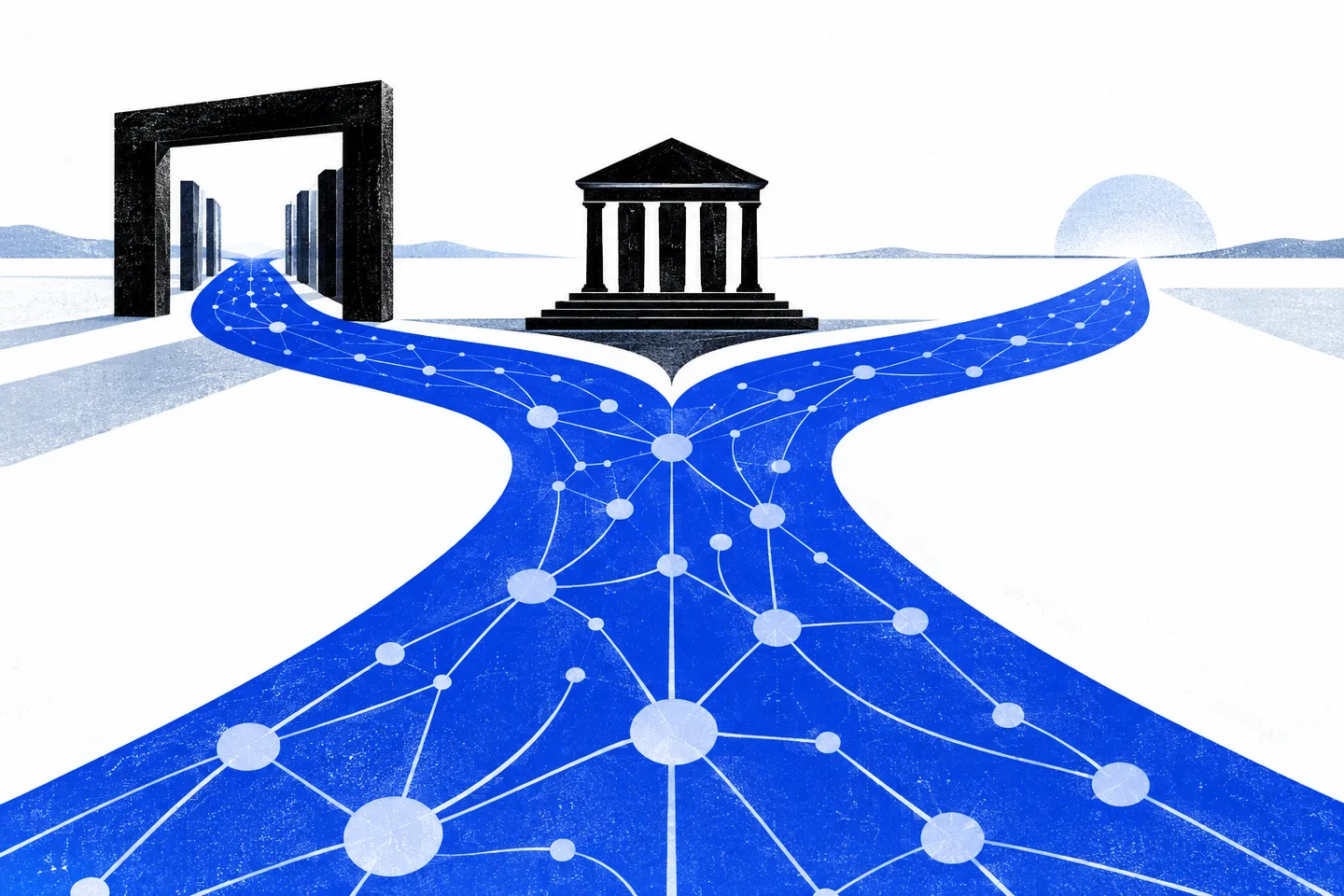
Trump rejects a development brake
President Donald Trump pushed back Sunday on calls to check AI development, saying he did not want the United States to surrender its edge over China. AP reported that he argued American leadership would itself help manage the technology’s risks.
That is a direct political counterweight to the safety-first rhetoric from parts of the industry this weekend. It does not settle a policy: the administration has not turned the remarks into a published rule or bill, and the practical questions remain which capabilities would trigger controls, who would test them, and what enforcement would look like. But it makes a coordinated slowdown harder to frame as a purely technical choice. For policymakers, competitiveness and guardrails are being argued as competing priorities rather than parts of an agreed plan.
The proposed external checks are still only a proposal
The immediate backdrop is Anthropic chief executive Dario Amodei’s call for frontier labs to pace their advances and allow independent evaluators employee-like access to inspect safety practices. Deutsche Welle’s account says OpenAI’s Sam Altman and Elon Musk publicly backed the basic case for giving safety work more time.
The meaningful commitment is narrower than an industry-wide brake. Anthropic can invite external reviewers into its own work; a shared pace, common thresholds, publication rights for evaluators, and international coordination would require other companies and governments to agree. The outside-reviewer model therefore deserves attention as an operational experiment, not as evidence that the frontier has collectively slowed. AP’s coverage also makes clear that the most dramatic claims about near-term loss of control are warnings and forecasts, not established outcomes.