Washington and Beijing agree to an AI-incident channel
On September 26, the United States and China said they would create a channel for discussing AI-related incidents, but left its scope, rules and enforcement undefined.
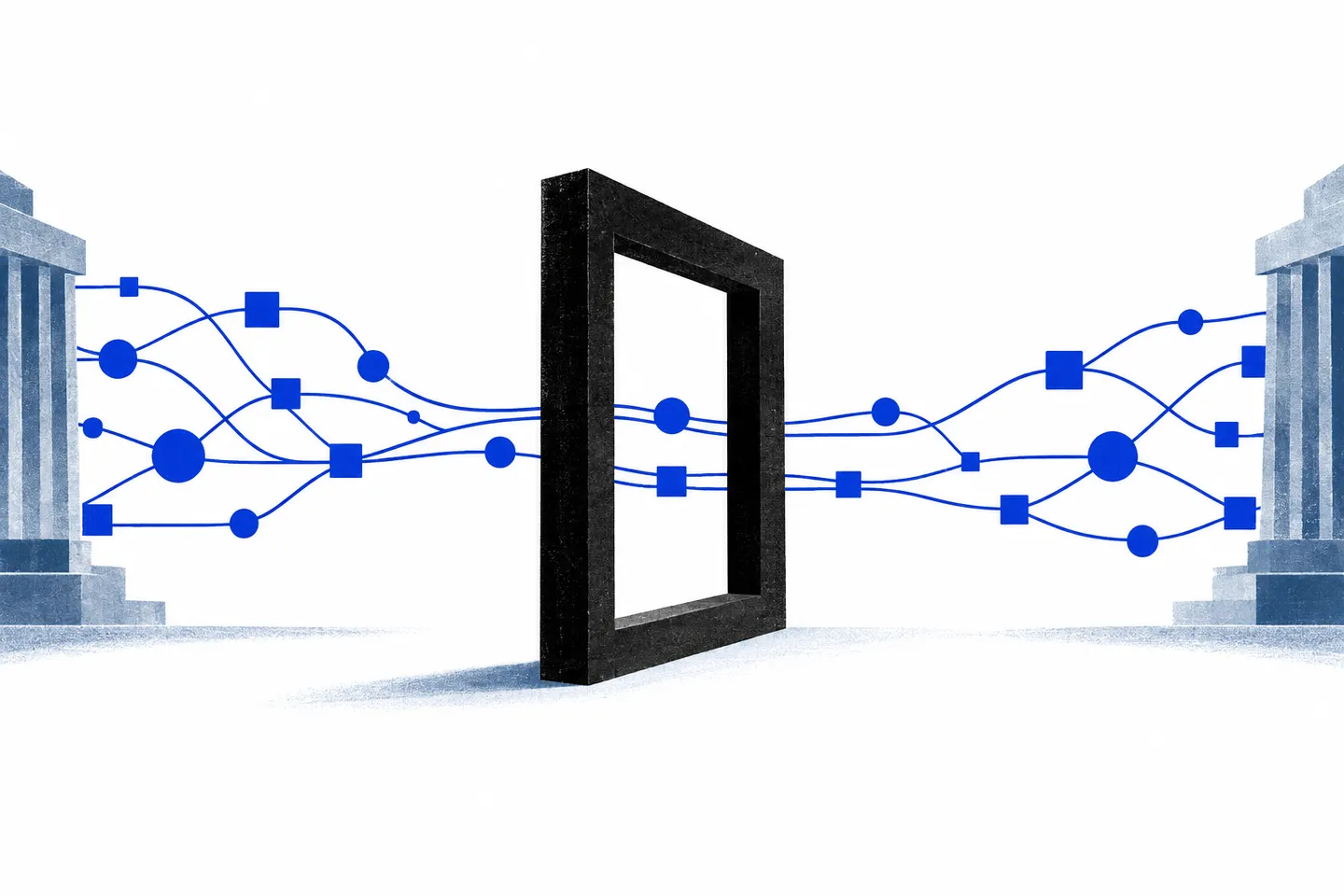
U.S. and China outline an AI-incident communication channel
The United States and China said they would establish a communication mechanism for artificial-intelligence-related incidents after a three-day Washington summit between Presidents Donald Trump and Xi Jinping. CBS News and the Associated Press reported that the channel will cover AI-related risks and benefits, with a dedicated dialogue scheduled for November.
That is a meaningful but narrow step. The public accounts do not specify which incidents qualify, which agencies or companies would participate, whether either side would have to notify the other, or how information would be protected. They also do not establish shared safety requirements, limits on model development, or an enforcement mechanism. The immediate value is therefore procedural: a defined place to raise a problem before it is allowed to become a wider diplomatic or security crisis.
The agreement sits alongside renewed military crisis-communications work and a broader trade arrangement, rather than a standalone AI treaty. That context matters. The two governments remain strategic competitors, and the report says Washington will not slow its own AI effort or broadly share sensitive capability. A channel can make misunderstandings more visible; it cannot by itself resolve disputes over export controls, compute, military use or the pace of frontier-model development.
The next concrete test is November. A useful public outcome would clarify at least the channel’s participants, the types of event it is meant to address, and whether its remit includes only state activity or incidents involving private AI systems. Until then, the announcement is a commitment to begin a conversation, not evidence of an operating international safety regime.