AI infrastructure scales outward, from storage layers to guarded science access
OpenAI described the storage layer carrying ChatGPT at unprecedented scale, expanded its life-sciences model through trusted access, and a new translation model arrived as U.S. Senate negotiators weighed AI-risk requirements.
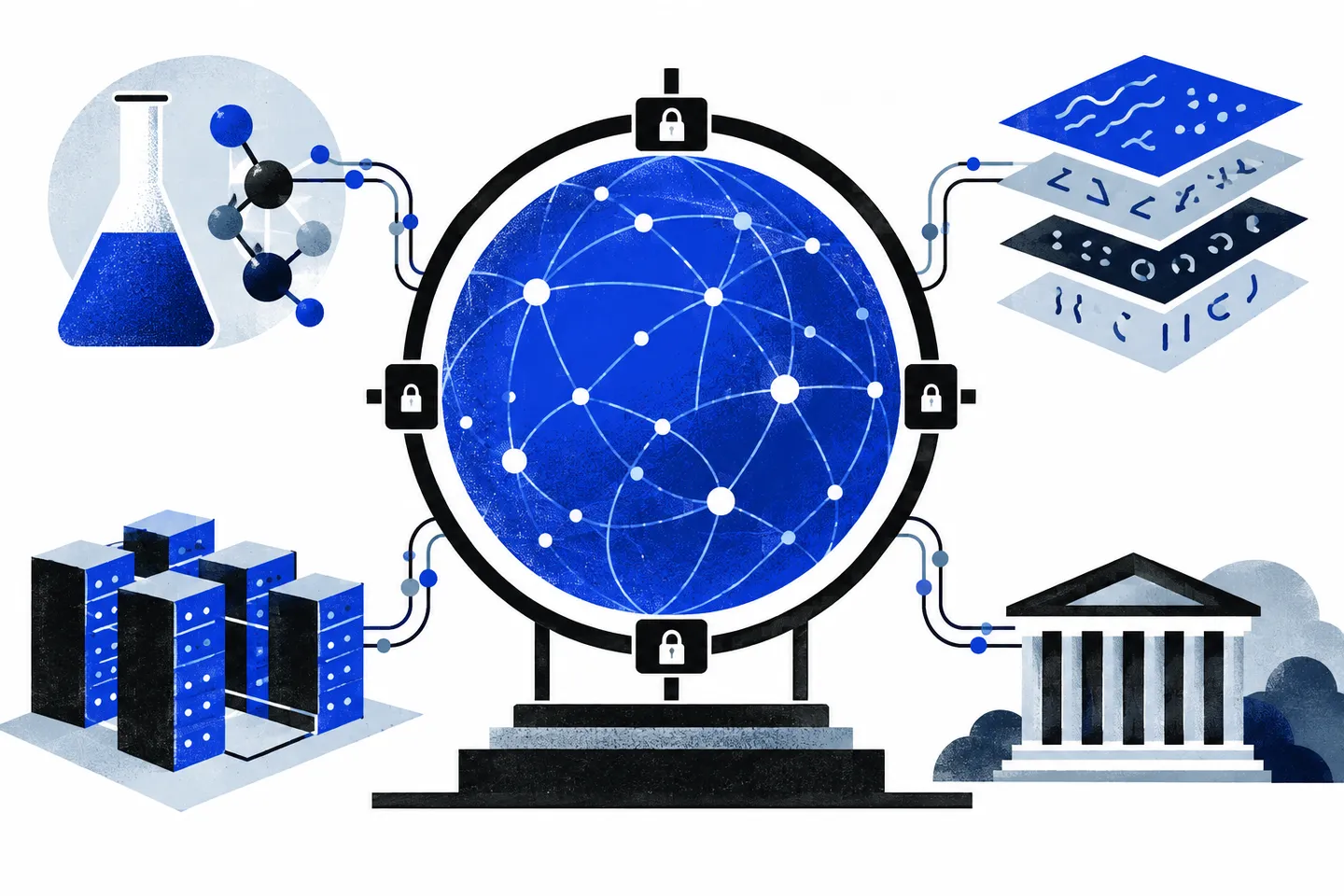
OpenAI describes the storage platform behind a billion weekly users
OpenAI published an engineering account of Habitat, its online storage platform, saying it now serves more than 70 million requests a second for products used by over one billion people each week across nearly 40 regions. The company says the system manages more than 500 petabytes and sits behind ChatGPT, the API, Codex, and internal services.
The notable change is architectural as much as numerical. Habitat began as a Python client library for GPTs at DevDay 2023, but OpenAI moved it into a standalone service as coordinating client updates across dozens of services became brittle. That central layer now handles routing, authorization, encryption, rate limiting, and data-residency controls. The figures are OpenAI’s own, but the post is a useful look at the less visible systems work required when an AI product becomes a global service.
GPT-Rosalind leaves research preview for eligible organizations worldwide
OpenAI said GPT-Rosalind, its specialized model for life-sciences research, is now globally available to eligible organizations through its trusted-access program. The company says published pricing will take effect on October 5 and that access remains restricted to organizations doing legitimate research with governance, safety oversight, and controlled enterprise access.
Rosalind combines agentic coding and tool use with biology-focused workflows, including evidence retrieval, bioinformatics analysis, and laboratory-protocol support. OpenAI reports improvements over GPT-5.5 on its internal and expert-judged benchmarks, but those results should be read as company evaluations rather than independent validation. The more consequential operational point is that a high-capability biological system is expanding beyond preview without becoming a general public product.
Cohere releases a 50-language translation model under a non-commercial license
Cohere released North Small Translate, a mixture-of-experts translation model for more than 50 languages, according to the company release carried by HPCwire. The weights are available for research and non-commercial use under CC BY-NC 4.0, so availability does not itself grant a business the right to deploy the model commercially.
Cohere says the 218-billion-parameter model, with 25 billion active parameters, scored 83.6 across languages on its WMT26 evaluation, and that an agentic variant scored 84.36. Those comparative numbers come from Cohere’s testing and need independent reproduction before serving as a procurement conclusion. Still, the release makes a specialized multilingual model available for inspection while putting unusually clear weight on the license boundary.
U.S. Senate negotiators weigh a duty to mitigate known AI risks
U.S. Senate negotiators are discussing legislation that would require technology companies to mitigate known major AI risks, Reuters reported, citing two Senate aides. The emerging approach would also involve federal courts if the government sought to block a system’s release, according to an aide and a lobbyist involved in the talks.
The report describes negotiations, not a bill introduced or passed by either chamber, so the proposal’s language and political durability remain unsettled. Even so, it points toward a federal framework centered on a developer’s obligation to address identified risks, rather than a broad advance-approval regime. Whether negotiators can define the systems and harms covered without making the rule either toothless or unworkably broad remains the central question.