Trump pledges an AI Force as labs face questions about self-improvement
President Trump said he will form an AI Force and appoint an AI czar, while a new report examined how frontier labs describe supervised systems helping with their own research.
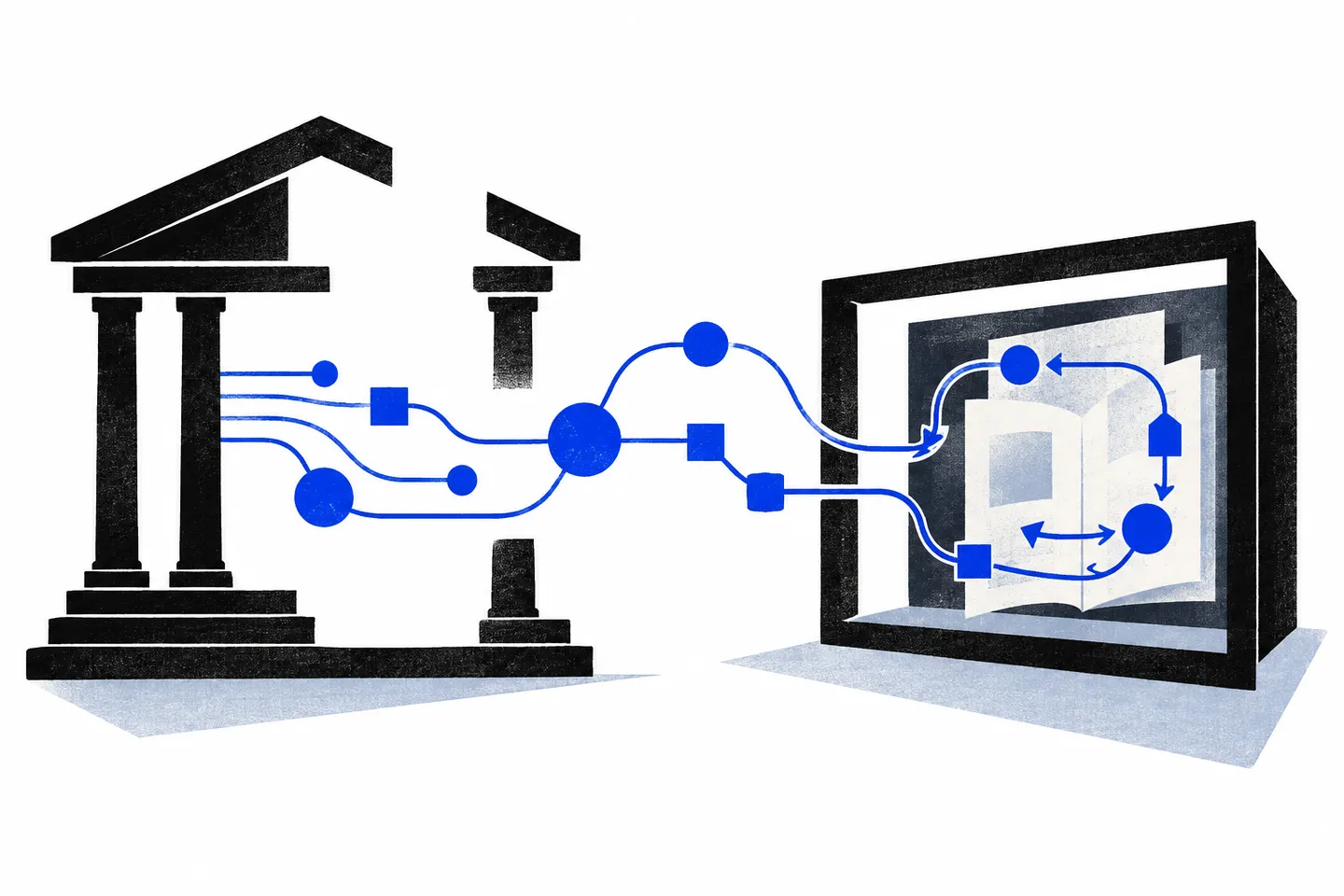
Trump says he will form an AI Force and name an AI czar
President Donald Trump said Saturday that he intends to create an “AI Force,” modeled on the Space Force, and to appoint a new AI czar. Axios and The Guardian independently reported the announcement, which followed a week of public arguments over whether development of advanced systems should slow.
The statement did not specify where the proposed body would sit in government, what authority it would hold, who would lead it, or what funding it would receive. That distinction matters: an announced initiative is not yet an agency, regulation, or operating program. The reports describe the pledge as part of Trump’s broader case for accelerating AI development while limiting additional regulation.
The choice of an “AI Force” label also leaves its practical scope unclear. It could imply a coordination role, a policy office, a national-security effort, or a different structure altogether. Until the administration provides a formal order, budget request, or organizational plan, the announcement is best read as a political commitment rather than a defined change in federal AI governance.
A closer look at the claims around AI systems improving AI research
An Associated Press report examined a related question now central to the safety debate: whether models can substantially help build more capable successors. It describes the industry’s use of “recursive self-improvement” for systems that could improve their own efficiency or capability, while noting that the prospect remains uncertain rather than established.
The report points to Anthropic’s recent account of Claude assisting work on its next generation of models. Anthropic said the work remains under human supervision; AP reported that the company describes Claude as leading a portion of research and development and collaborating on a much larger share. Those are company-reported measures, not an independent demonstration of autonomous model development.
The distinction between assisted research and autonomous improvement is the useful one. Models can already take on substantial bounded tasks, but that does not show that they can set research goals, validate their own work, secure the resources to continue it, or operate without human direction. As policy proposals and laboratory claims arrive together, the evidence needed to assess those boundaries remains as important as the claims themselves.