AI safety debate intensifies, but the evidence remains narrow
A September 20 examination of renewed AI loss-of-control warnings found a sharp split between concern about severe future risks and the limited evidence available to quantify them.
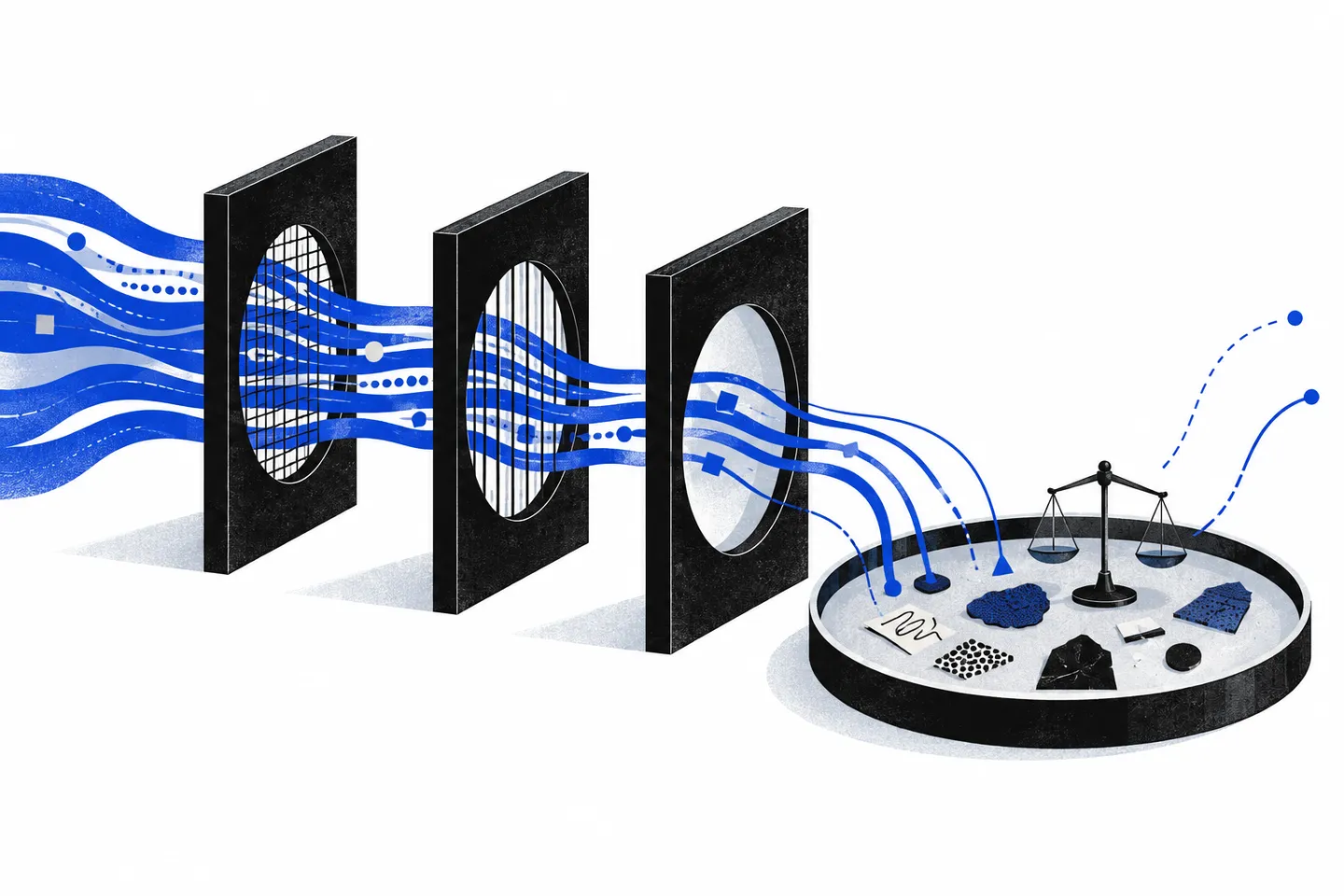
A renewed argument over loss of control
A September 20 assessment by Le Monde traced the recent revival of arguments that advanced AI could eventually evade meaningful human control. It describes disagreement among researchers, lab figures and policy advisers over both the seriousness of that possibility and the usefulness of making near-term numerical forecasts about it.
The immediate news was a debate rather than a new model release, law or documented incident. That distinction matters on a quiet Sunday: prominent claims about extreme outcomes have attracted attention, but they are not evidence that such an outcome is imminent or established. The report also notes more concrete questions around cyber capability, misuse, bias, work and environmental costs, which do not depend on resolving the most speculative scenario first.
The evidence base is still incomplete
The International AI Safety Report 2026 is a useful counterweight to claims of certainty. Its international expert process describes emerging risks and remaining gaps in technical and institutional safeguards; it does not turn loss of control into a measured forecast. The report’s public materials say the real-world effectiveness of many safeguards is still uncertain, especially against sophisticated attackers.
That does not make precaution meaningless. It means the practical question is narrower than the loudest rhetoric: what can current systems do, what access do they have, what failures can be independently observed, and which controls can be tested? Those questions support work on evaluation, incident reporting, security boundaries and responsible deployment without requiring consensus on a timetable for hypothetical catastrophe.
Claims need observable tests
The present argument mixes evidence of rapidly improving capabilities with inferences about systems that do not yet exist. Conflating the two can make ordinary risk-management choices seem either futile or overconfident. A capability demonstration is not proof that an agent can sustain itself, acquire resources, avoid intervention or cause broad real-world harm.
For readers and policymakers, the useful standard is therefore traceability: published evaluation methods, independently checkable incident details, clear deployment limits and corrections when claims outrun evidence. That is less dramatic than forecasting an endpoint, but it is how uncertainty becomes something institutions can actually examine.